Quick Summary: Facilities staffing covers three groups of people who keep a building working: front-of-house staff such as receptionists and front desk coordinators, maintenance and trades staff such as electricians, HVAC specialists and painters, and cleaning crews who handle floor refinishing, carpet extraction and restroom sanitation. The deciding factor for each role is how steady the work is, so keep a small core team for daily operations and add screened temporary staff for projects, seasonal peaks and call-outs.
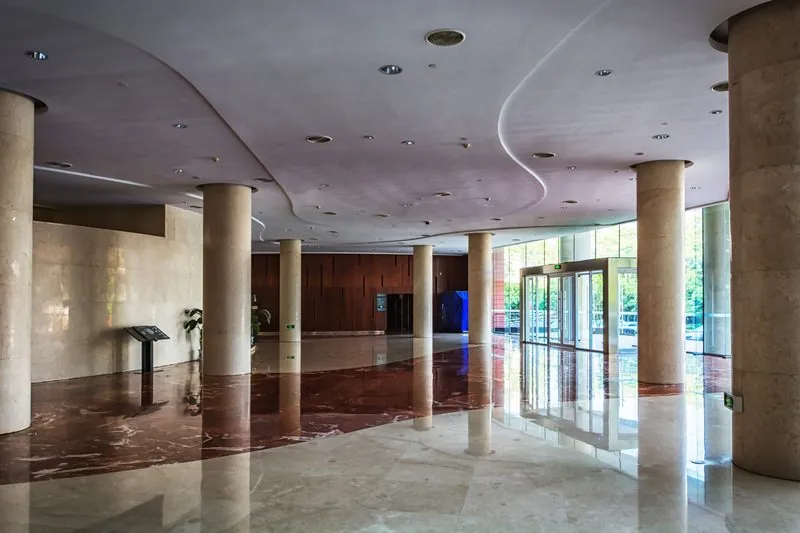
Tenants and visitors judge a building in seconds. A greeting at the front desk, a bright hallway and a spotless restroom say the property is well run. A dark stairwell, an empty reception counter or a dull lobby floor says the opposite, even if everything else is fine.
General Workforce, a New York State MBE-certified staffing firm based in Ozone Park, Queens, supplies the people behind all of that through its facilities maintenance staffing service. This guide walks through a building zone by zone and shows which roles keep each one running.

What Facilities Staffing Covers in a Working Building
Facilities staffing is the work of filling the roles that operate, maintain and clean a property. In an office tower, a residential building, a school or a retail center, those roles fall into three broad groups.
Front-of-house staff manage people: visitors, tenants, deliveries and phone calls. Maintenance and trades staff manage systems: electrical, heating and cooling, plumbing and the building’s finishes. Cleaning crews manage the spaces themselves, from lobby floors to break rooms. A gap in any one group shows up quickly in the other two, which is why facility managers plan all three together.
The Lobby: Front-of-House Roles
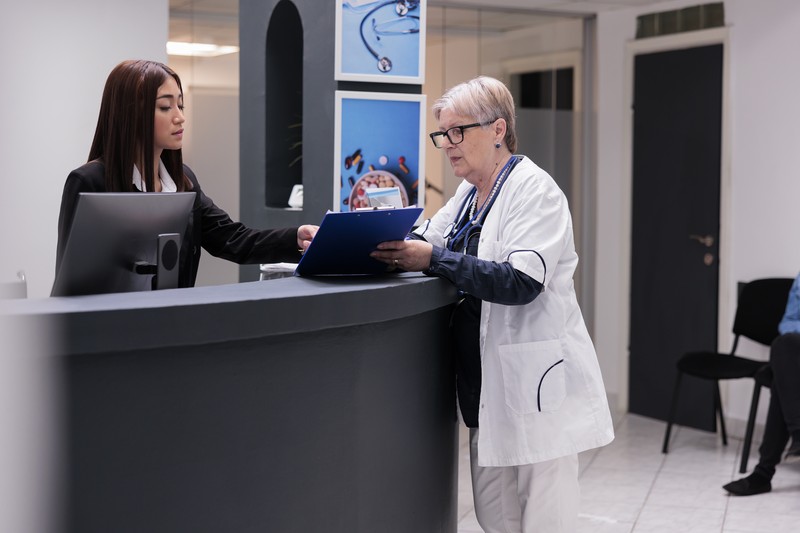
The lobby sets the tone. A receptionist or front desk coordinator greets visitors, checks in guests, signs for deliveries and answers questions about the building. In residential and mixed-use properties, the same desk often handles package rooms and tenant requests.
These roles need steady people who stay calm with a line at the counter and a phone ringing. When a front desk employee is out, the lobby cannot simply close for the day. Having screened backup ready keeps the first impression consistent even when your regular staff is on vacation or out sick.
The Lights and the Mechanical Room: Maintenance and Trades
Behind the walls and above the ceilings, the building depends on skilled trades. Electricians handle fixture replacements, lighting upgrades, panel work and emergency repairs. HVAC specialists keep heating and cooling systems running through the seasons. Painters, carpenters and plumbers handle the repairs and refreshes that keep units and common areas in good shape.
General Workforce staffs these commercial trades for property managers who need extra hands for a renovation, a tenant turnover or a backlog of work orders. Licensing rules for electrical, plumbing and HVAC work vary by state and city, so confirm what your jurisdiction requires and include it in your request. Matching the credential to the job keeps the work safe and the inspections clean.
Everything Between: Cleaning and Janitorial Crews
Cleaning is the largest and most visible part of facilities work. Daily janitorial routines cover trash removal, restroom service and dusting, but a well-kept building needs more than mopping and sweeping.
- Floor care: stripping old finish, applying new coats and burnishing hard floors so lobbies keep their shine.
- Carpet extraction: deep cleaning carpeted offices and corridors to lift embedded soil.
- High dusting: clearing vents, light fixtures and ledges that daily crews cannot reach.
- Restroom sanitation: disinfecting fixtures and partitions on a set schedule, not just when they look dirty.
- High-touch disinfection: treating door handles, elevator buttons and railings in busy common areas.
Specialized tasks like these often happen after hours or in project bursts, which makes them a natural fit for flexible staffing. A dedicated crew for a weekend floor refinish lets your daily team keep up with the regular schedule.
Building a Flexible Facilities Maintenance Staffing Plan
Start by listing every recurring task in your building, how often it happens and who does it now. Then mark which tasks are steady and which come in bursts, such as move-in season, holiday décor, snow events or an annual floor program. The guide on how to calculate staffing needs can help you turn that list into hours and headcount.
Steady daily work usually belongs with a small core team who know the building and its tenants. Burst work, coverage for vacations and call-outs, and one-time projects are where temporary staff save the most. That split keeps payroll lean without leaving the lobby, the lights or the floors unattended.
Working With a Staffing Partner on Facility Roles
A strategic partner should make facility staffing simpler, not add another vendor to manage. General Workforce runs every candidate through its five-step hiring process, a background check and drug testing before placement, which matters for anyone working inside tenants’ spaces.
As employer of record, General Workforce handles payroll, taxes, workers’ compensation and insurance, and it gives your company full legal indemnification. Transportation to and from the job is available, which helps night cleaning crews and early-morning maintenance shifts arrive on time. The team stays reachable after 5 PM and on weekends, when most building emergencies seem to happen.
Temporary assignments can also work like a paid internship: you see how a porter, a painter or a front desk coordinator fits your property before offering a permanent spot. Property managers looking for a staffing agency in New York or a staffing agency in New Jersey can work with the local team, and the Phoenix branch supports Arizona properties.
FAQs
What is facilities staffing?
In short, it means bringing in the people a property needs to operate day to day, either for ongoing coverage or for a defined project. Most facility managers use it for a mix of ongoing coverage and short projects, so write each request with the start date and expected length of the assignment.
Which facility roles can be staffed temporarily?
Almost any facility role can be staffed temporarily, but cleaning crews, porters, painters, general maintenance helpers and front desk backup are the most common. Roles that hold building keys, alarm codes or tenant records deserve an extra conversation about access before the first shift.
Who supervises temporary facility staff?
Day to day, the person who already runs your building, usually the facility manager or superintendent, assigns and checks the work, while the agency handles hiring paperwork and pay. Give temporary staff one named supervisor on site, a short tour and a copy of your building’s emergency procedures on their first day.
Is your building’s to-do list getting longer than your crew? Get facility staff from General Workforce for the lobby, the lights and everything between.