Picture a Monday morning at a Queens distribution center: a pallet of paint cans needs sorting, the loading dock is backed up, and two people called out. The person who steps in and keeps that floor moving is a general laborer, and at General Workforce, our general labor staffing team places these workers every week. A clear general labor job description helps both sides of that hire, because job seekers learn what the work asks of them and managers learn what belongs in a posting.
From daily duties and physical demands to pay and the path to a placement, here is how the job really works, whether you are looking for your next shift or writing a posting for your team.

General Labor Job Description: What the Role Covers
A general laborer is an entry-level, hands-on worker who supports the daily operations of a warehouse, construction site, production floor, or outdoor crew. Titles vary by industry, but the core job stays the same: handle the physical tasks that let skilled trades, machine operators, and supervisors focus on their own work.
Most of these jobs require no formal degree, and the Bureau of Labor Statistics says workers usually learn through on-the-job training lasting a month or less. That short ramp-up makes general labor one of the quickest ways to start earning, and a solid first step for anyone who wants to grow into a trade later.
Daily Duties of a General Laborer
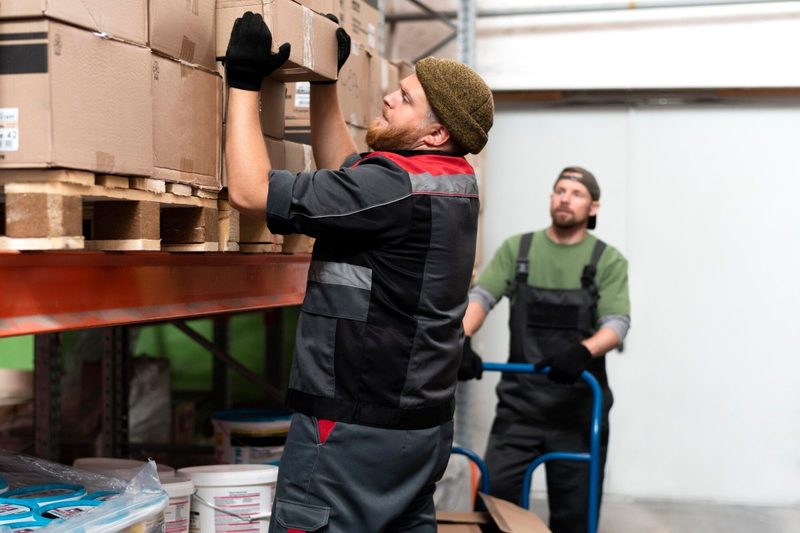
Duties change with the site, but most shifts draw from the same set of tasks. In a warehouse, a laborer loads and unloads trucks, sorts and stages freight, packs and wraps orders, and keeps basic counts of what moves in and out. On a construction site, the work leans toward clearing debris, hauling materials, setting up and taking down scaffolding, digging trenches, and backfilling.
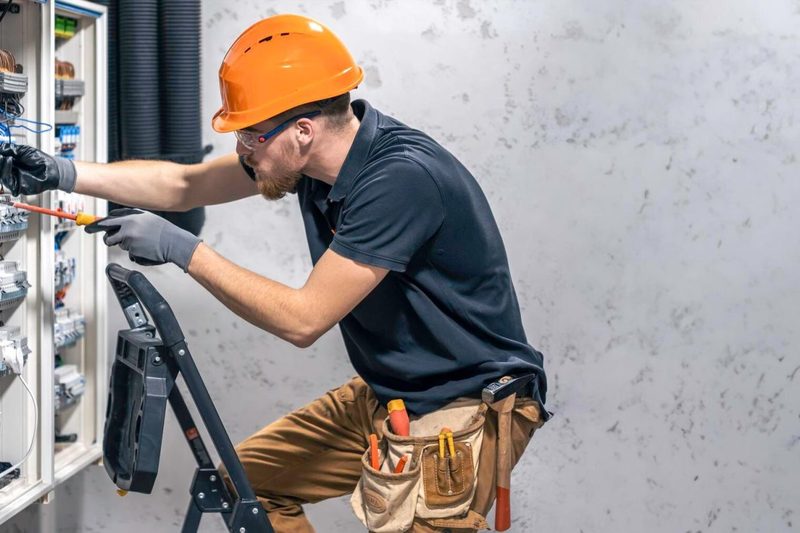
Laborers also hand tools to electricians, plumbers, and masons, and they run power tools such as saws and drills once they are trained. Cleanup ends nearly every shift, from sweeping staging areas to washing down equipment. Each task is simple on its own, but together they keep a crew on schedule, and our look at general labor job duties and responsibilities walks through typical assignments in more detail. Knowing the full range of tasks makes it easier to match a worker to the right shift.
Skills and Physical Requirements for General Labor
Physical stamina comes first. Laborers stand for long stretches, bend, kneel, climb, and carry heavy loads, and each posting should state the lifting requirement so candidates know what to expect. Safe technique matters as much as strength: lifting with the legs, asking for help with awkward loads, and wearing the right gear every shift.
That focus on safety has a reason. The Bureau of Labor Statistics notes that hand laborers and material movers have some of the highest rates of injuries and illnesses of any occupation, so employers look for people who take safety seriously. Beyond the physical side, the skills that get a laborer asked back are practical ones: arriving on time, following spoken and written instructions, working well with a crew, and handling basic hand tools. A forklift certification or an OSHA 10-hour card is not required for most entry-level jobs, but either one can open the door to better assignments.
General Laborer Pay and Job Outlook
Median pay runs $18.38 an hour for hand laborers and material movers and $22.44 an hour for construction laborers and helpers, according to the federal Bureau of Labor Statistics, based on May 2025 data. Actual pay depends on the region, the industry, the shift, and overtime, so a posting in your area may sit above or below those medians.
Looking ahead, the same agency projects employment growth of 4 percent for hand laborers and material movers and 6 percent for construction laborers and helpers from 2025 to 2035, with steady openings as workers move into other jobs. That steady demand makes general labor a dependable place to start.
How to Get Hired as a General Laborer Through a Staffing Agency
Going through an agency is often the fastest route into the role. General Workforce uses a five-step hiring process that includes candidate screening and skill profiling, plus background checks and drug testing, so employers meet workers who already fit the job. For you as a worker, that means a recruiter who matches your strengths to an opening instead of leaving you to cold-apply.
We provide transportation for our workers to and from the workplace, which takes the commute worry out of an early shift, and we handle the payroll duties, taxes, and workers’ compensation so neither side carries that paperwork. Strong performers can move from a temporary assignment into temp-to-perm or direct-hire roles. If you are an employer planning a project, our guide to finding general laborers in New York explains how to scope your staffing. Either way, a good match starts with an honest description of the work.
What Sets General Workforce Apart as a Staffing Partner
As a New York State MBE-certified firm that has served employers since 2005, we treat every client as a strategic partner. Four things set our approach apart.
Temporary Work as a Paid Internship
A general labor assignment works like a paid internship for your business. You see how a worker handles real shifts, takes direction, solves small problems on the spot, and fits in with your crew before you commit to a permanent hire.
Transportation Support for Our Workers
We provide transportation for workers to and from the workplace, which cuts down on late arrivals and no-shows at sites that are hard to reach by transit.
Legal Indemnification for Employers
Employers are fully indemnified for the worker, so the legal responsibilities tied to that person’s employment do not fall on you.
24/7 Client Support
Workplaces do not stop at 5 PM, and neither do we. We stay responsive to your changing coverage needs on every shift, so a call-out at dawn gets a response instead of a voicemail.
Frequently Asked Questions About General Laborer Jobs
What do general labors do?
General laborers take on whatever physical task the crew needs next, so the day-to-day work depends on the site and the shift. If you are choosing between settings, decide by conditions: warehouse shifts are mostly indoors and repetitive, while construction work is outdoors and changes as each project moves forward.
What is another name for a general laborer?
The title shifts with the industry: warehouses often post material handler or warehouse associate, while construction sites post laborer or helper. When you search for openings, try several of these titles, because one employer’s warehouse associate is another’s general laborer.
How much does a laborer make per day?
At the medians cited above, plan on roughly $147 to $180 for an eight-hour day, before overtime. Your actual day rate depends on shift length and the site, so ask for the hourly rate and expected hours before you accept an assignment.
What does “day laborer” mean?
A day laborer is someone hired for a single day or a short job, often informally and paid by the day. A staffing placement differs in ways that protect you: the agency screens its workers, runs the payroll, and can move strong performers into longer assignments.
Call (718) 674-6829 to request a quote with General Workforce.